
Botox has become a popular and mainstream cosmetic treatment, without committing to cosmetic surgery.
Before you even consider having Botox done, it’s important to be aware of what it is, what results you can expect, and whether it’s something you should consider for your own personal situation and reasons for wanting it done in the first place.
What Botox Actually Does And What It Does Not
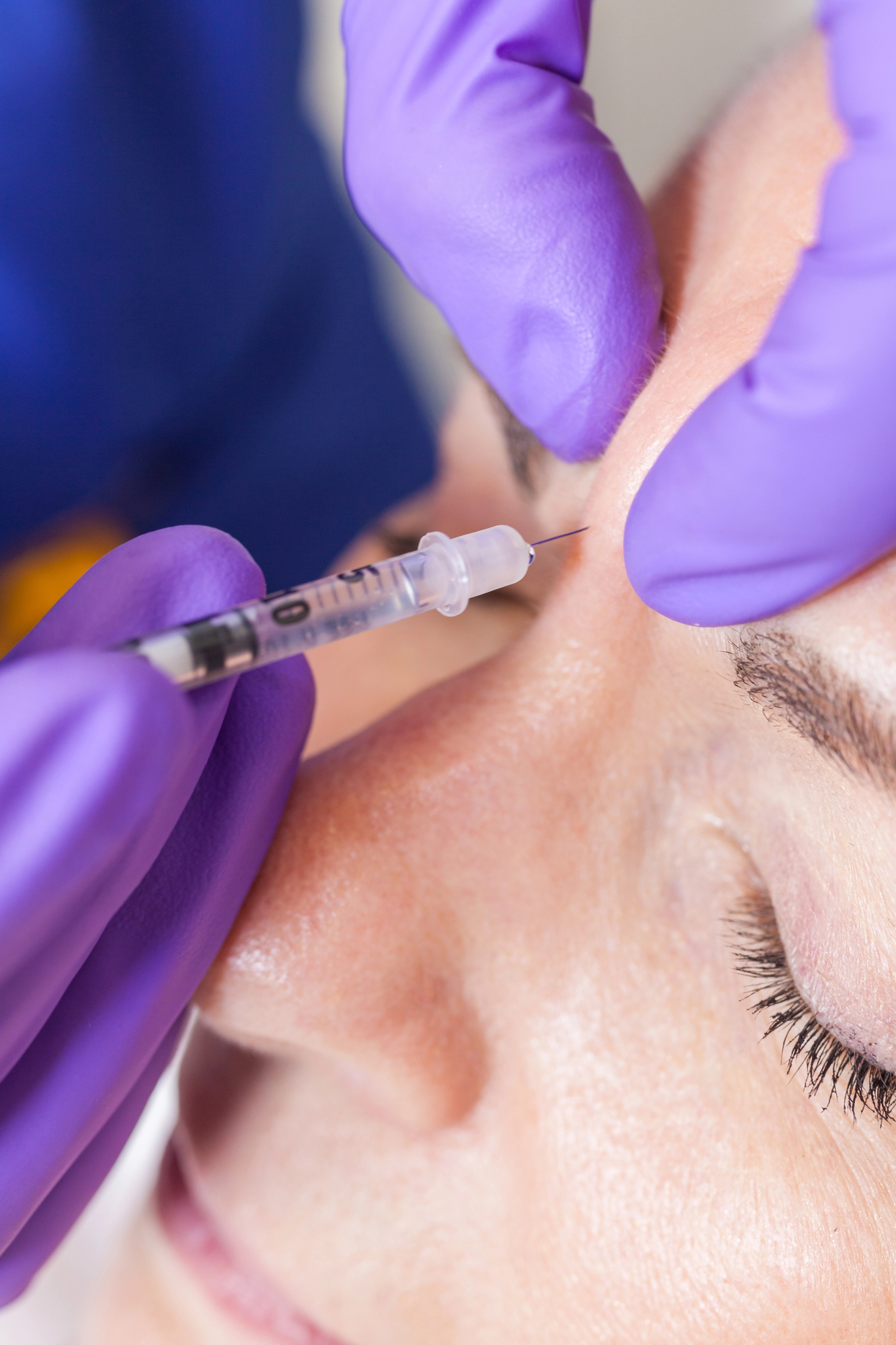
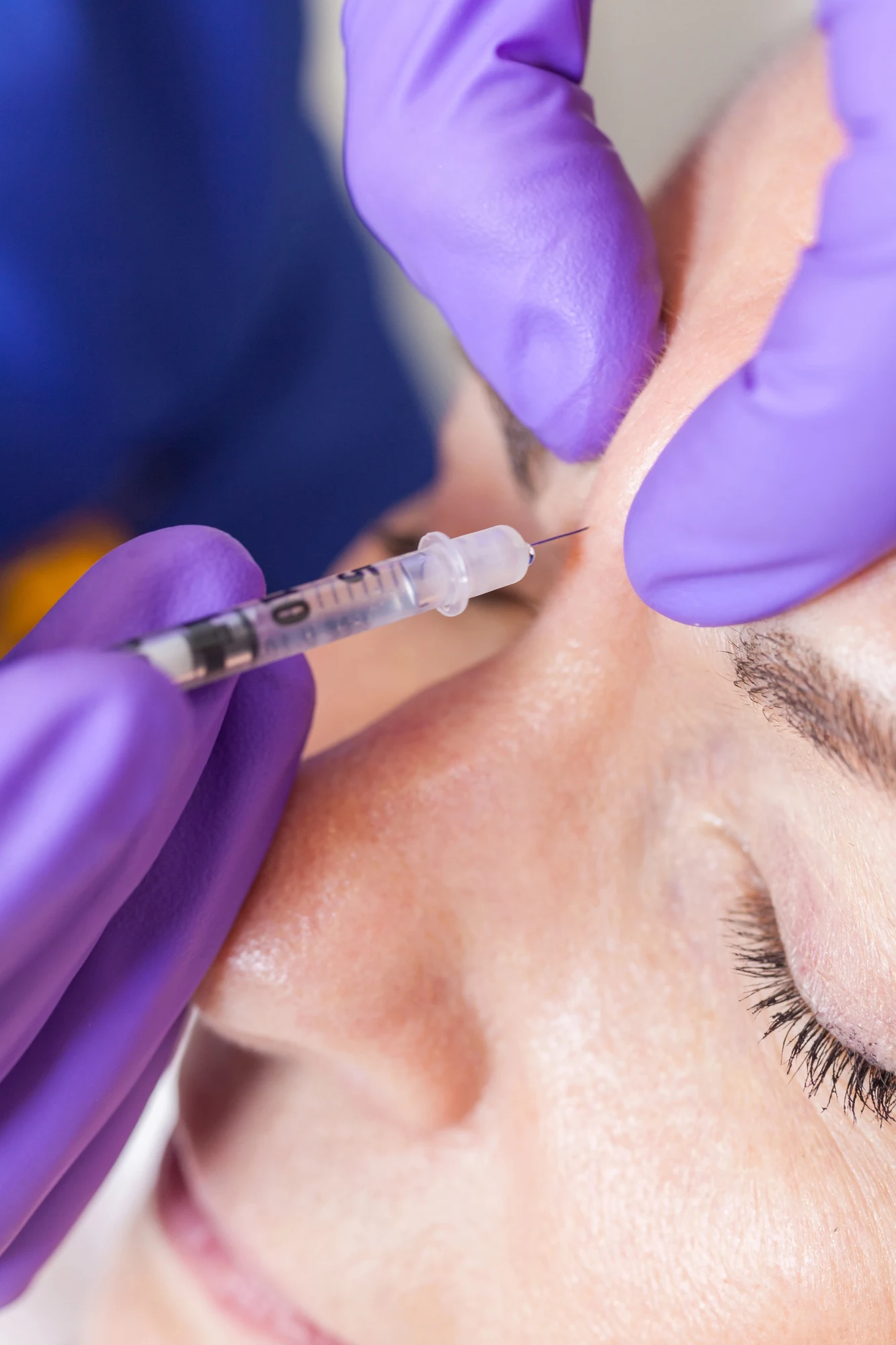
Botox is a “neuromodulator” made from botulinum toxin used in cosmetic treatment and medical care. When it is injected into specific muscles, it relaxes the muscle temporarily, which softens lines caused by repeated facial movements.
Botox injections reduce dynamic wrinkles; wrinkles that appear when you frown, squint or smile. Typical Botox results lasts between three and five months, so you will need to have a top-up once the results begin to wear off. It’s not a one and done kind of treatment.
If you have Botox, it won’t fill deep static lines, or restore any lost volume within the face. It also doesn’t lift sagging skin, or replace fillers that add volume for a more youthful appearance.
One single Botox session is usually quick, and uses small doses in your targeted muscles. It is particularly effective for the forehead, glabella and crow’s feet wrinkles.
It temporarily weakens specific muscles, to smooth the skin, but won’t stop aging or change your natural bone structure.
Reasons Botox Might Not Be The Best Fit Right Now
Botox works very well for many people, but like all cosmetic treatments, it isn’t right for everyone. If you have a complex medical history, or have any concerns, always talk to your doctor first, before having any treatments done.
With Botox, you’ll get side effects like swelling, redness, bruising or headaches after having the injections. These will all usually pass in days to weeks, but they can still be unpleasant.
If you have a neuromuscular disorder, such as myasthenia gravis, or certain nerve or muscle problems, Botox can worsen symptoms. Always be honest with your provider, with your medical history and any health conditions you have.
It is possible to be allergic to botulinum toxin, and you could get nausea or other systemic symptoms after injections, so always seek medical help right away, should you experience any negative side effects.
Botox can be effective for excessive sweating and chronic migraines. It isn’t just used for smoothing lines and wrinkles, and many people experience really good benefits after using Botox for sweating issues, or chronic migraines.
Common Treatment Areas And What To Expect From Each
As I mentioned above Botox most often treats “dynamic” wrinkles, which are caused by repeated muscle movements. This includes forehead lines, frown lines between your eyebrows, and crow’s feet lines near your eyes.
Forehead wrinkles: You get several small injections across the forehead area. You can expect mild soreness, as well as a temporary heaviness of the brow for a few days post-treatment. Your results usually appear in 3 to 14 days after having Botox, and can last for months (depending on your skin type and muscle strength).
Frown lines (glabellar lines): Frown line Botox injections target the vertical lines between your eyebrows. For this area, you’ll usually need fewer units of Botox than the amount used for forehead wrinkles. Your frown lines should soften within two weeks of having the treatment done.
Crow’s feet and eye area: As this is such a precise area, the placement needs to be super precise, as your eye muscles are delicate.
Your provider will give you a thorough consultation, to get an idea of what you’re looking for, and where your areas of concern are. They will then be able to recommend how much Botox you’ll need, and where. Or, let you know if they think you’re not the right candidate for Botox treatments.


Hi, my name is Gemma, and I’m the owner of MakeupMuddle.com. I’m a true beauty obsessive, and love writing about anything to do with beauty – I have been a beauty writer since 2012.