
Excessive sweating can interfere with your daily routine, affect your confidence and make even simple activities uncomfortable.
It can happen during work, social events, exercise or stress, and it can feel difficult to manage and frustrating to live with. There are some quick fixes to give you temporary relief, but that doesn’t address the underlying trigger for the sweating issues.
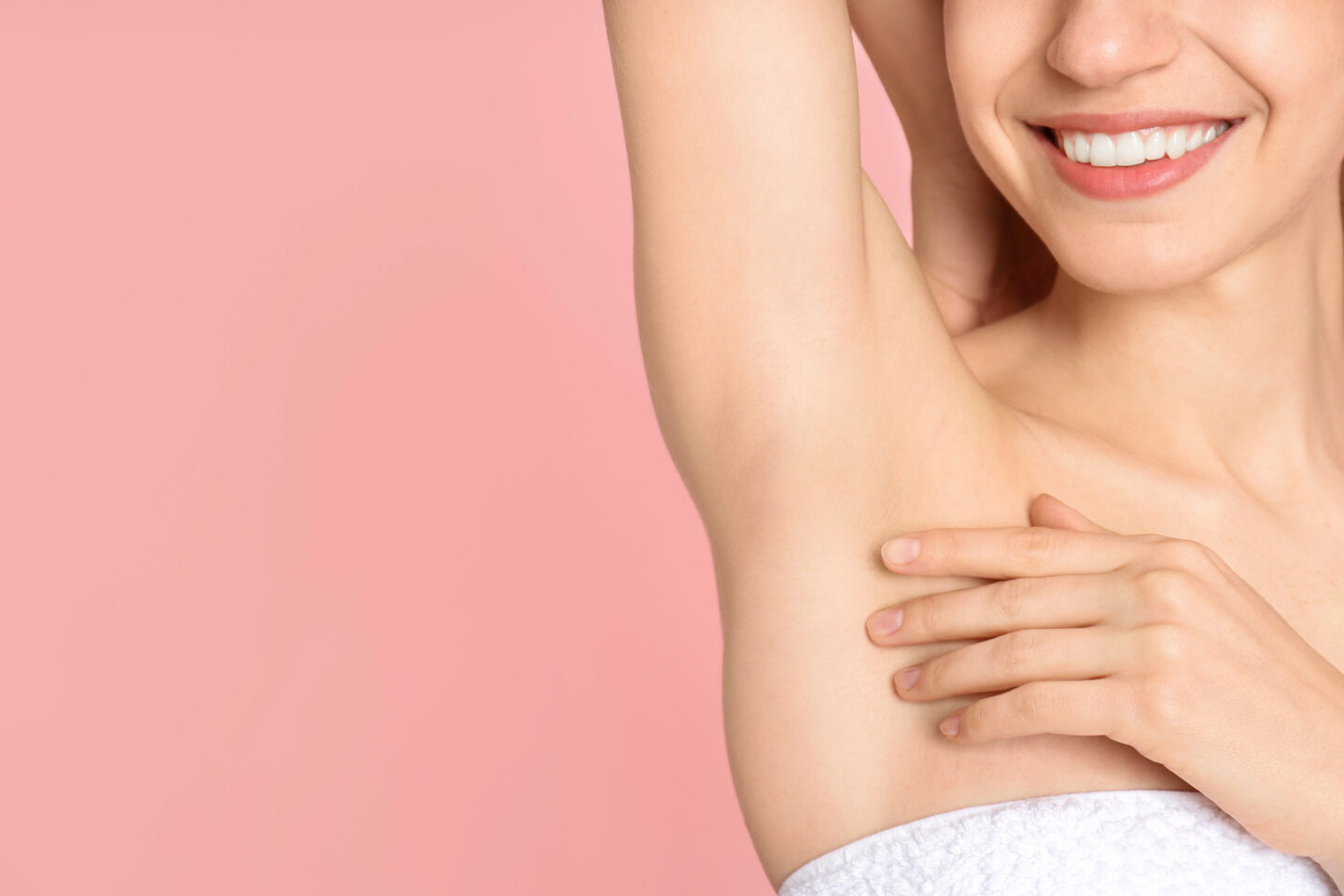
What Causes Excessive Sweating In Daily Life
Your body sweats because your sweat glands cool your body, but sometimes your body makes more sweat than it needs, in a condition called excessive sweating or hyperhidrosis.
Other factors can trigger extra sweating like stress, strong emotions, spicy foods, alcohol and caffeine.
Hormonal changes make sweating worse for many, with menopause often causing hot flashes and night sweats, as well as thyroid issues like hyperthyroidism, which can raise your metabolism and lead to frequent, heavy sweating.
Difference Between Normal Sweating And Hyperhidrosis
Sweating helps you body cool down during heat, exercise or stress, but normal sweating stops when the trigger ends, and usually doesn’t soak your clothes or affect your daily life.
Hyperhidrosis means you sweat much more than your body needs, and you might notice you have sweaty palms, or damp soles of your feet, even if you’re not hot or feeling nervous. Extra sweating can appear on your palms, soles, underarms or face.
Having hyperhidrosis can affect different parts of your life. Sweaty palms might make shaking hands or using tools awkward, and excess sweat on your soles can make walking uncomfortable, and increase dampness in your shoes.
If your sweat is soaking through shirts, ruining paperwork or makes you change your shoes or socks often, it’s likely that you are sweating too much, and it’s a good idea to talk to your healthcare provider, to look for the trigger.
Choosing The Right Antiperspirant For Your Needs
You need to pick an antiperspirant based on how much you sweat and where. For light to moderate underarm sweat, a regular antiperspirant works well. You can choose a 24 or 48 hour protection antiperspirant for longer-lasting control.
If you sweat heavily, you can find a clinical or prescription antiperspirant, which often contain higher levels of aluminum chloride, or similar compounds, that plug your sweat ducts more effectively.
Some antiperspirants include fragrance or alcohol, which can end up irritating your underarms. Look for a deodorant/antiperspirant combo designed for sensitive skin, or with a “gentle” formula, if you suffer with redness or itching – itchy underarms are the worst.
Simple Lifestyle Adjustments That Reduce Sweating
Choose breathable clothing when you can, with natural fabrics like cotton and moisture-wicking blends that will help your sweat to evaporate and reduce any sweat stains. Wear layers, so you can remove items whenever you feel yourself heating up.
Keep yourself hydrated to help your body to regulate is temperature. Sip water throughout your day, rather than just drinking a large amount at once. When you’re hydrated, it can lower your body’s core temperature, and cut down on the excess sweating.
You can use absorbent products where you need them, like dress shields, absorbent insoles and sweat pads for shirts, to reduce the visible wetness.
Track your sweat patterns in a journal, so you can see if there’s a common pattern with foods, stress, activities and times you sweat the most, so you can then try and avoid those triggers.
You can apply you over-the-counter antiperspirant at night, to unclog sweat glands and reduce your morning wetness. If you have severe sweating, you can look at trying prescription-strength antiperspirants, or even Botox for heavy sweating treatments with a dermatologist.