
When it comes to creatine, everyone focuses on its benefits for strength and exercise, but there are brain function benefits which are supposedly good for study sessions, concentration, memory and mental stamina.
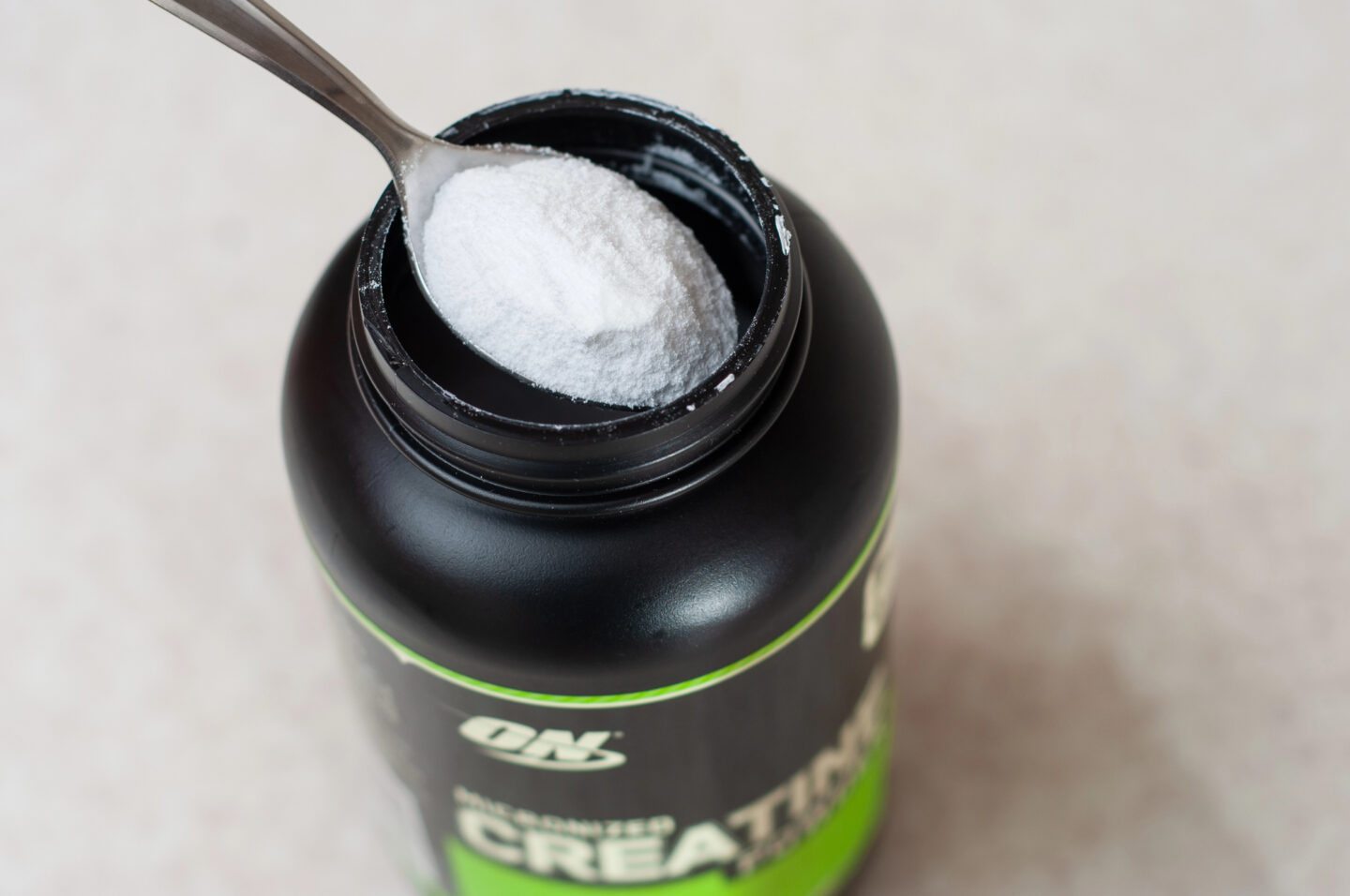
What Creatine Actually Does In The Brain?
Creatine helps you brain cells produce and recycle ATP, which is the main form of energy your brain uses to function.
As your brain is such an energy-hungry organ, having a steady ATP supply can support things like your focus, memory and your mental clarity, which is particularly helpful when you’re doing demanding tasks or whenever you’re feeling tired.
Research suggests that having creatine might also help to protect your brain cells by reducing the oxidative stress and supporting your overall cellular health.
Creatine isn’t a “magic” boost for intelligence, but it can help your brain more effectively, especially if your energy levels are feeling low, almost like a back-up battery for when your brain needs a boost.
Why Mental Energy Matters During Study Sessions
Creatine stabilizes your brain’s energy supply, so it directly affects how long you’ll be able to study without getting distracted or losing focus.
When you sit down to learn, your brain’s metabolism ramps up to power memory, reasoning and also problem-solving. As your cognitive load increases, multiple formulas, dense readings or complex diagrams, your neurons demand a steady fuel supply, to keep them firing efficiently.
If this demand isn’t met, that’s when mental fatigue starts to set in, and you’ll keep re-reading the same line, make simple mistakes or find yourself zoning out. It isn’t even your willpower fading – it’s just your brain protecting itself from running low on usable energy.
How Creatine May Support Focus And Concentration
When your brain has a reliable energy buffer, it’ll be easier to lock onto a task you’re doing. Creatine supplementation can help provide that buffer by supporting your brain’s metabolism, especially when you’re feeling mentally taxed.
Your brain’s neurons use huge amounts of ATP, and creatine helps to recycle it more efficiently. If your brain has steadier energy levels, your min will be less likely to drift when you’re studying.
When you have creatine, you might notice it as a subtle focus enhancement rather than a sudden energy jolt. Instead of feeling wired, you’re more likely to feel steady, like filtering distractions and sustaining attention for longer.
Creatine And Memory During Demanding Study Periods
As your studying demands ramp up, your memory can become a bottleneck which ends up holding you back. Creatine helps by keeping your brain’s energy system stable, allowing you to encode and retrieve information more efficiently when you’re feeling tired or you’re under pressure.
Creatine won’t replace classic memory enhancement techniques, like spaced repetition or active recall, but it can make those strategies work more smoothly, by supporting your mental stamina.
If you’re dealing with heavy reading loads or back to back problem sets, creatine can help with cognitive load management, which will help you to juggle the details without being left feeling mentally fried as quickly.
Best Way To Introduce Creatine Into Your Diet When Studying
Start with a small daily dose, usually around 3 to 5 grams, mixed into your water or another drink. You can take it at any time of the day, but if you make it a habit like a specific meal each day or part of your morning routine, to help you remember.
You don’t need to worry about doing a loading phase, as a steady intake will gradually increase your body’s creatine levels over time. However, staying hydrated is very important, as creatine draws water into muscle and your brain cells.


Hi, my name is Gemma, and I’m the owner of MakeupMuddle.com. I’m a true beauty obsessive, and love writing about anything to do with beauty – I have been a beauty writer since 2012.